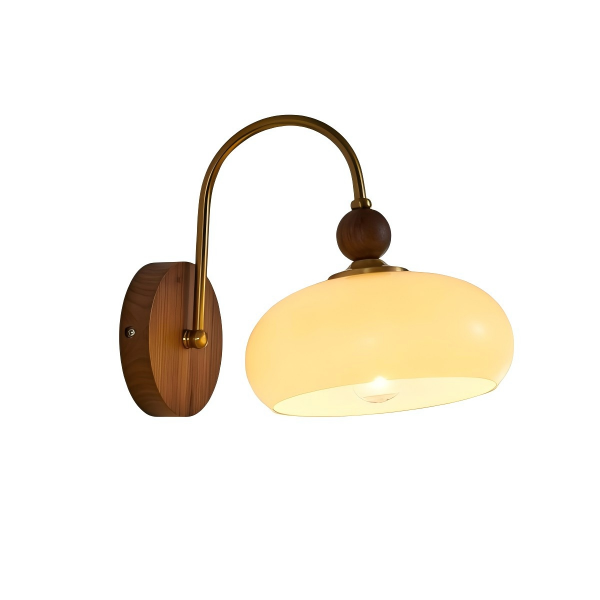
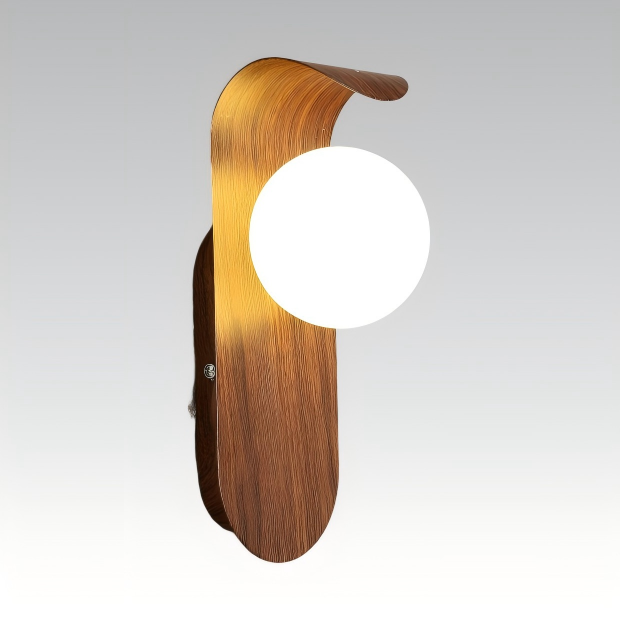
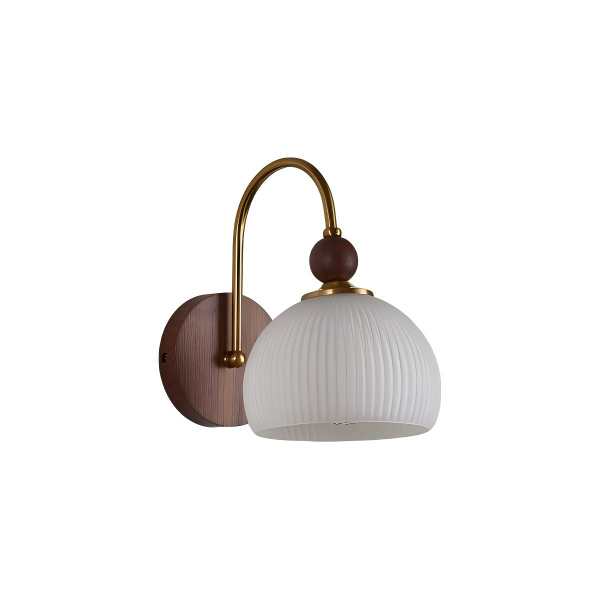
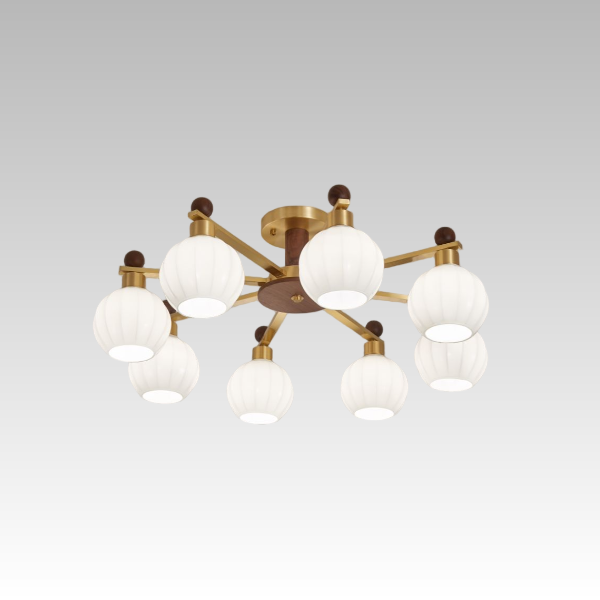
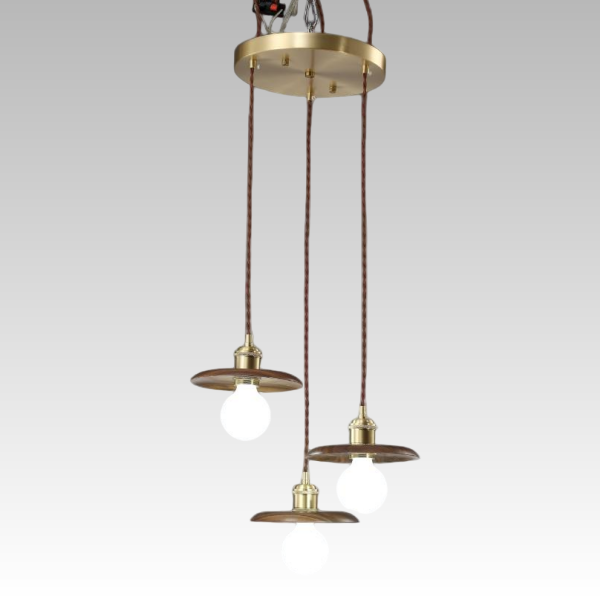
What should you consider when choosing a ceiling light? These key parameters determine lighting performance and comfort.
Have you ever experienced this: coming home at night, turning on the main light in the living room, only to find the brightness glaring—after just a few minutes of looking at your phone, your eyes feel strained; sometimes the room feels dim, as if something is missing. In fact, these issues are often related to the choice of ceiling lights. As the most frequently used and widely installed lighting fixture in homes, ceiling lights are essential in nearly every room—from the living room and bedroom to the study and dining area. Yet many people focus too much on superficial aspects like "how it looks" or "whether it's bright enough" when buying lights, only to discover after installation that the lighting feels uncomfortable, color rendering is poor, or even causes dizziness.
I have a friend who, to save time during home renovation, simply picked out a few ceiling lights that looked nice at the building materials market. But after moving in, their child constantly rubbed their eyes while doing homework, and they themselves found the lighting too harsh when watching TV in the living room at night. It wasn't until they switched to full-spectrum eye-friendly lighting that they realized just how big the difference between lights could be. So today, drawing from my own experience and those of friends whose homes I've seen, I'd like to discuss what parameters really matter when choosing ceiling lights—and share four models with soft light effects and high comfort levels for your reference.
Why do some ceiling lights appear bright but feel uncomfortable to use?
Many people choose lights based on wattage, assuming higher wattage means brighter illumination. This approach might have worked a decade ago, but today's LED lighting technology has evolved significantly. Lights with the same wattage can vary greatly in luminous efficacy (lumens per watt), resulting in actual brightness differences of 30% or more. More importantly, brightness is just one factor—light quality matters far more. Factors such as color rendering index, color temperature, blue light hazard, and flicker are the key determinants of whether the light feels comfortable.
For example, some inexpensive ceiling lights sacrifice spectral continuity to achieve higher brightness, resulting in an abnormally high proportion of blue light. Under such lighting, objects may appear bright, but prolonged exposure can easily cause eye fatigue, especially affecting children's visual development. Additionally, some lamps have poorly designed power drivers that produce imperceptible flicker; being in such an environment for extended periods can also lead to physical tiredness.
When choosing a ceiling light, you shouldn't just focus on brightness—you should also consider luminous efficiency, spectral completeness, color rendering accuracy, and anti-glare performance. The following four models excel in different price ranges and functional priorities, so you can pick the one that best suits your home's needs.
2. Common Mistakes When Choosing a Ceiling Light—Many People Get It Wrong Right from the Start
The four lights recommended earlier each have their own strengths, but regardless of which one you choose, it's worth reviewing some fundamental principles for selecting a light. I've summarized several common pitfalls my friends often fall into—feel free to check them against your own choices.
First misconception: focusing only on wattage without considering luminous efficacy. Two ceiling lights both rated at 50W may differ by over 20% in actual brightness, as a high-efficiency model can deliver 100 lumens per watt, while a lower one might produce only around 70. When buying lights, ask about the lumen output; dividing lumens by watts gives you the luminous efficacy—the higher this value, the more energy-efficient and brighter the light will be.
Second misconception: Ignoring the color rendering index. Lights with a CRI (Ra) below 80 make objects appear grayish or washed out, especially distorting reds and skin tones. For children's lighting, it's recommended to use lights with an Ra of at least 95; for regular household use, a minimum Ra of 90 is advised.
Third misconception: Ignoring anti-glare design. Some lights expose their LEDs directly to the eye when viewed from the side or when lying down, causing glare. High-quality ceiling lights incorporate anti-glare features such as recessed light sources, micro-prism panels, and diffuser films, which produce soft, non-glaring illumination.
Fourth misconception: Fixed color temperature that cannot be adjusted. Many traditional ceiling lights offer only one color temperature, such as 6500K cool white, which can feel too cold and bright at night. Nowadays, better-quality lights support dimming or at least three-color temperature settings, allowing you to switch between different temperatures depending on time of day and occasion—making them far more practical.
III. A Summary of How to Choose Without Making Mistakes
Choosing a ceiling light can be complicated, yet it's also simple. If I had to give the most concise advice, it would be to remember four key terms: full spectrum, high color rendering index, anti-blue light, and dimmable.
Full-spectrum lighting ensures complete light quality, high color rendering index preserves true color accuracy, anti-blue light technology reduces potential eye strain, and dimming capability allows a single lamp to adapt to various living scenarios. Lights that excel in all four aspects are typically not cheap, but considering they're used several hours a day for many years, the investment is well worth it.
Lighting fixtures are something you might not replace for several years after installation, so taking a little extra time to research can bring you real, daily comfort. I hope this article helps you avoid unnecessary detours when choosing lights and find the perfect one that truly suits your home.